
World Mental Health Day 2026 offers a timely reminder: listening to people’s experiences is essential. Youth football has something to learn from that message.
A missed penalty. An unexpected defeat. A mistake that leads to a goal. For a young footballer, these moments can feel much bigger than the few seconds they occupy during a match.
The final whistle may end the game, but frustration, disappointment and self-doubt can stay with a player long afterwards.
On 10 October 2026, World Mental Health Day focused on the theme “Lived experiences heard: real voices, real change”. The World Health Organization’s campaign highlights the importance of involving people with lived experience in decisions about mental health services and support.
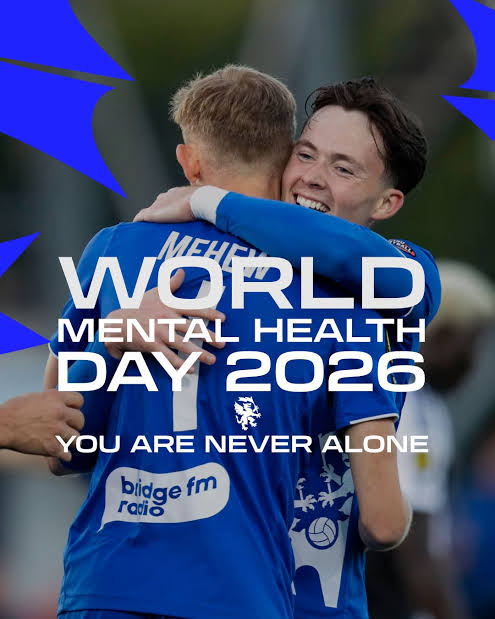

Its message also offers a valuable reminder for education and sport: understanding someone’s experience begins with listening.
What young footballers are telling us
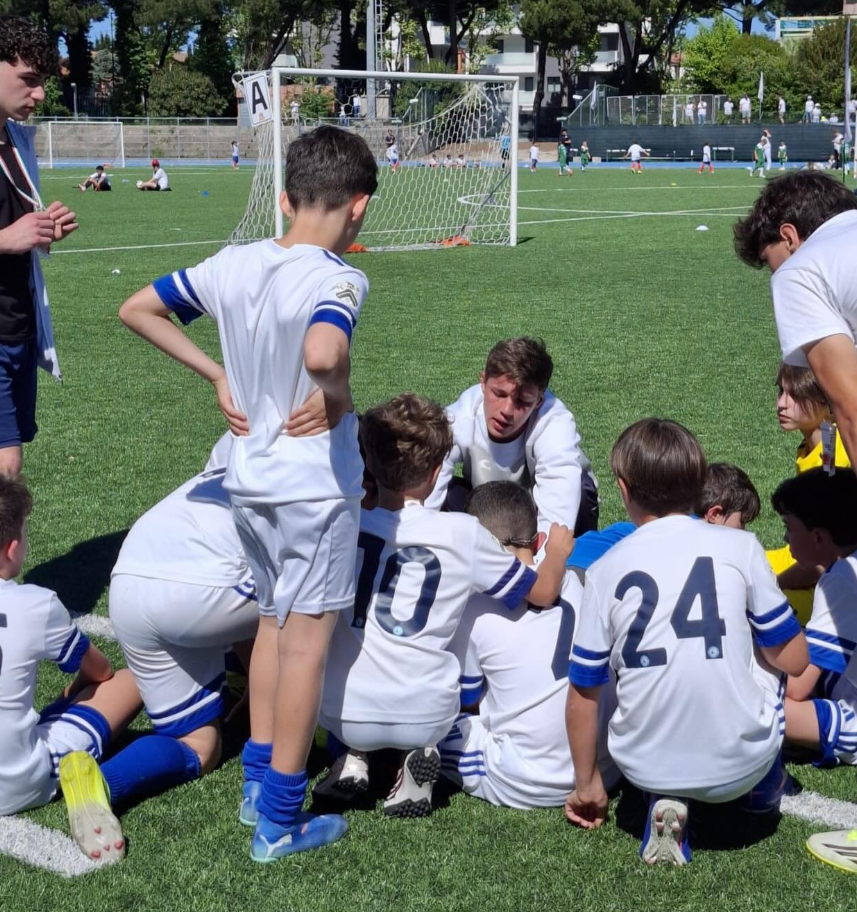
In March 2026, ASD Tirreno Sansa organised a workshop in Rome with 21 young athletes aged 14–15 as part of Play, Learn, Lead.
When asked about learning through football, the young players talked about teamwork, trust, leadership and the difficulty of responding to mistakes and defeats.
One observation was particularly telling:
“The captain must not only be the strongest, but the one who encourages others when they make mistakes.”
It is a simple statement, yet it says a great deal about the kind of leadership young people appreciate.
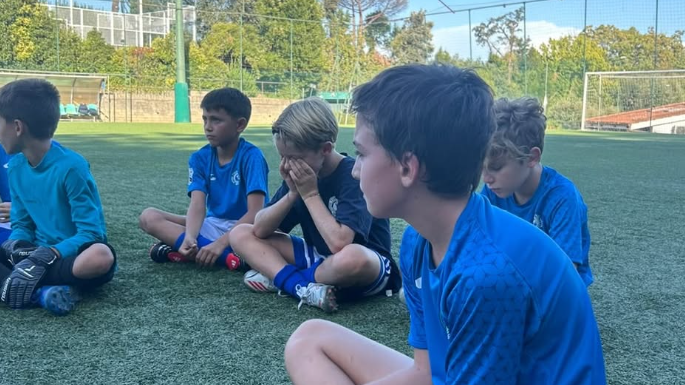
The coaches involved in a separate workshop raised similar concerns. They described how difficult it can be for adolescents to manage frustration after a lost match or a mistake during training, and highlighted the need for practical tools to support emotional development.
Similar themes appeared in the Polish workshops, where young athletes discussed resilience, pressure and the importance of constructive feedback.
Learning what to do after a mistake
A football coach has many opportunities to turn these moments into learning experiences.
After a difficult match, a short team discussion can help players understand what happened and how they responded. Instead of focusing only on the error, the conversation can explore what helped them recover, who offered support and what they might try differently next time.
These moments can encourage self-awareness, responsibility and resilience.
Play, Learn, Lead is developing CAMPO to connect real sporting situations with short learning activities, questions, challenges and practical resources for young people and the adults who support them.
Educational activities have their own role alongside appropriate mental-health support when it is needed. In everyday sport, they can help create an environment where feelings are acknowledged and young people are encouraged to learn from experience.
A lesson beyond football
Every young player will eventually face a disappointing result. What matters is also the response that follows.
An encouraging teammate, a thoughtful coach or a chance to reflect can change how that moment is remembered.
A mistake lasts a few seconds. The way a team responds to it can teach a lesson that stays much longer.
Leave a Reply