
European Week of Sport 2026 reminds us that sport belongs to everyone. But what does that mean in everyday football?
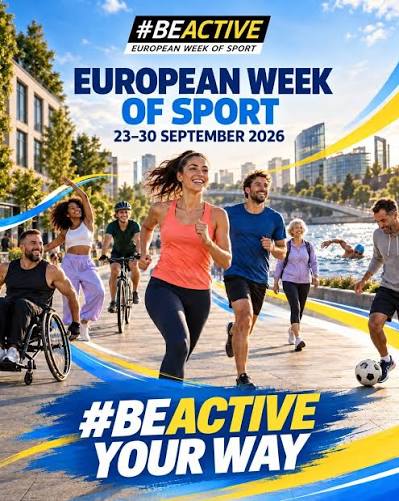
From 23 to 30 September 2026, the European Week of Sport brought people together across Europe under the message #BeActive your way. The invitation was simple: whatever your age, ability or background, there should be a place for you in sport. It is a powerful message. It also raises an interesting question. What makes young people feel that they genuinely belong to a team?
Imagine a training session where one player is always the first to receive the ball, another rarely gets involved and a third is afraid of making a mistake. Everyone may be on the same pitch, but their experience of the game can be very different.
This is where inclusion begins: in the everyday decisions that shape participation. Who gets a chance to contribute? How are different abilities recognised? What happens when someone struggles? And how does a coach help every player feel part of the group?
A truly inclusive team gives every player the opportunity to participate, contribute and grow.
From a European message to a local football pitch
The same week as the European Week of Sport, ASD Tirreno Sansa hosted the first Play, Learn, Lead Multiplier Event in Rome, on 29–30 September 2026.
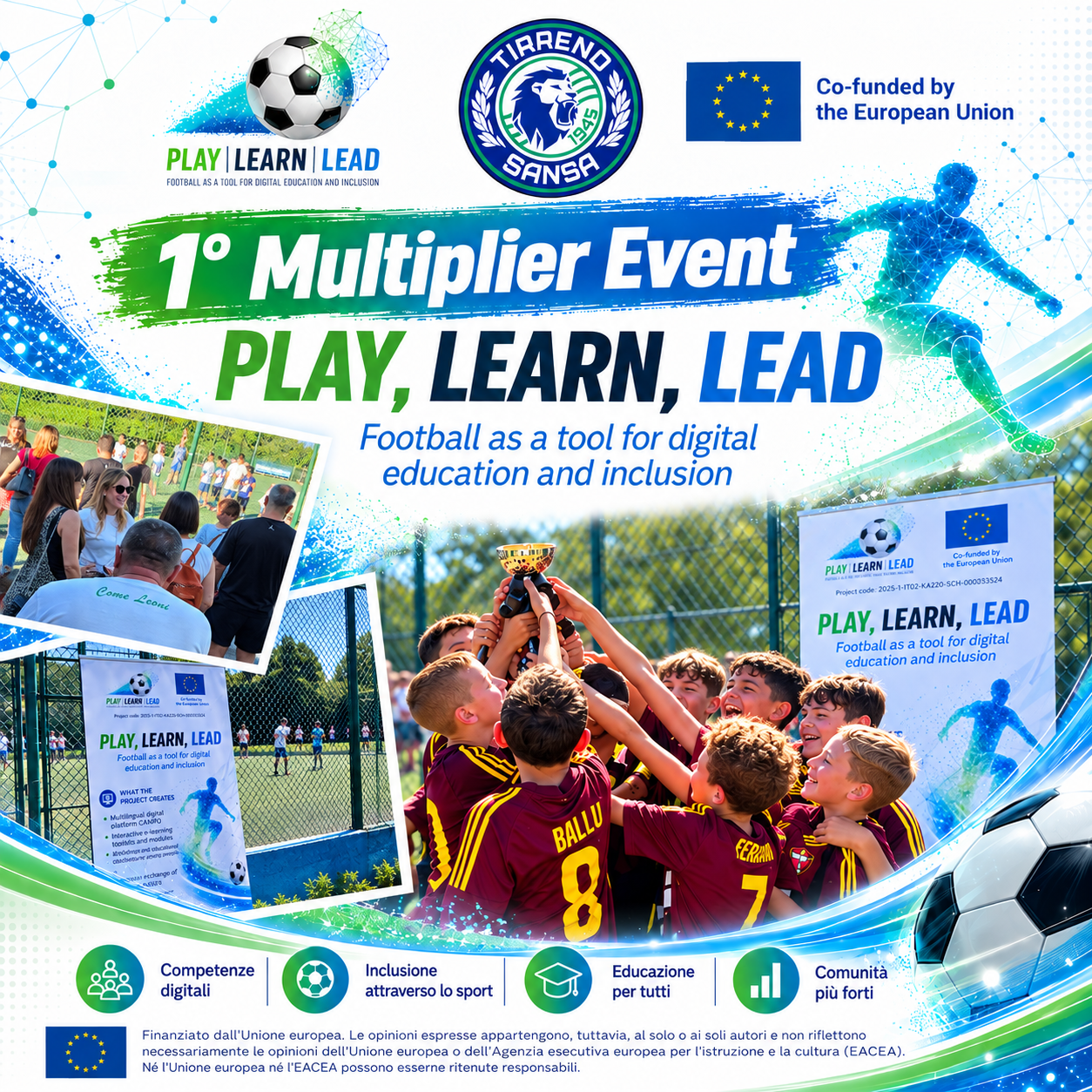
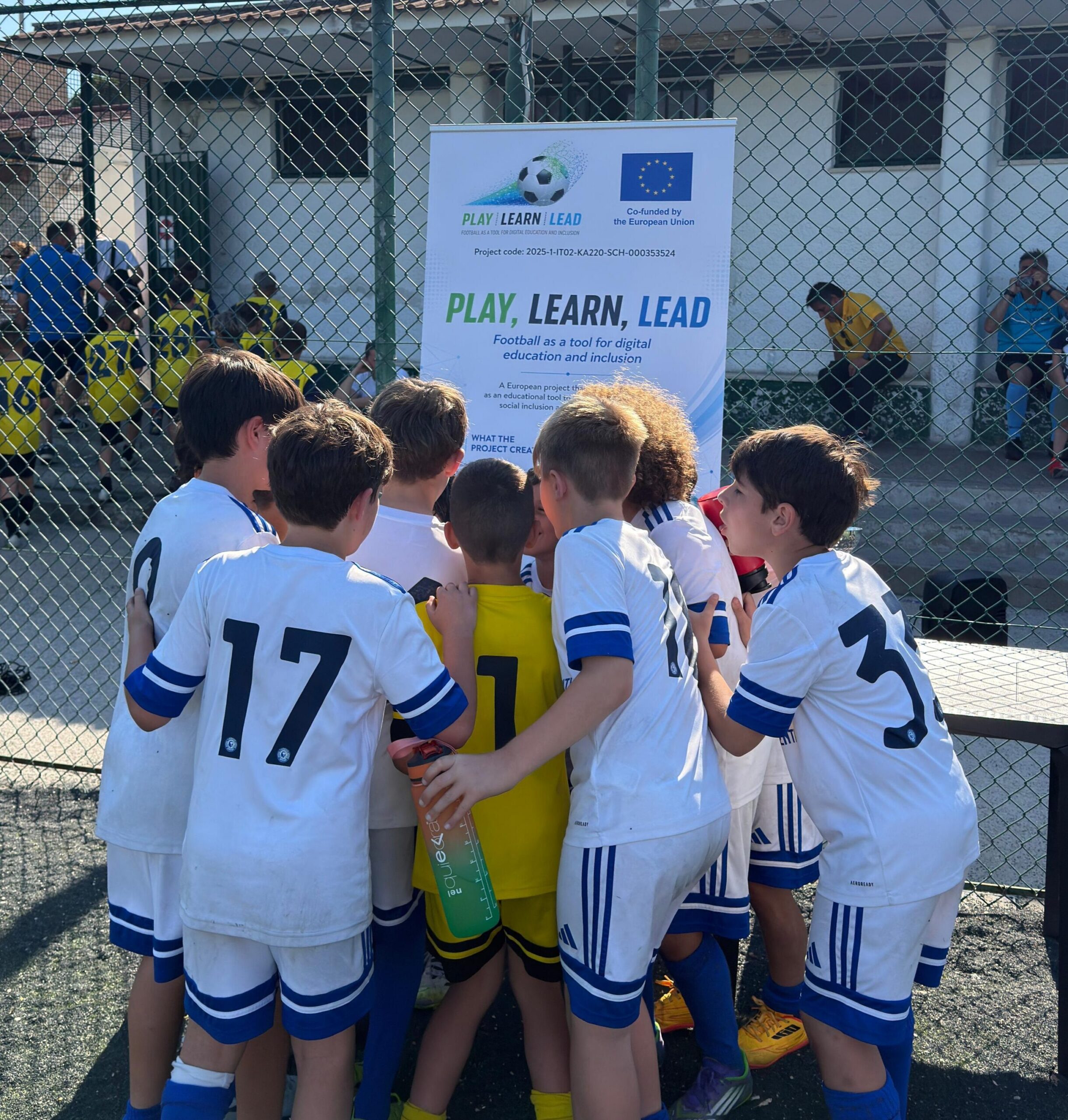
The event brought together at least 51 participants, including representatives of schools, sports clubs, educators, coaches, families and local stakeholders. Discussions explored the educational value of football, social inclusion, teamwork, fair play and the development of the CAMPO digital platform.
The conversation reflected a central idea behind Play, Learn, Lead: football can help young people develop skills that matter far beyond sporting performance.
That idea is also emerging from the project’s research across Italy, Poland, Romania and Türkiye. Teachers and coaches have highlighted the importance of adaptable activities, practical resources and methods that respond to different abilities and learning needs.
Making inclusion part of the game
Inclusion becomes meaningful when it is reflected in what young people experience.
A team challenge can encourage cooperation between players with different strengths. A discussion after training can help identify behaviours that made someone feel supported. A change of roles can give quieter players an opportunity to lead.
These are the kinds of everyday experiences that Play, Learn, Lead aims to connect with digital learning through CAMPO, its educational resources and future practical activities.
The goal is to help coaches, teachers and young people recognise the value of participation, cooperation and respect as part of learning.
Because the most important result of a football session may be more than the final score. It may be the feeling that everyone had a place in the team.
Leave a Reply