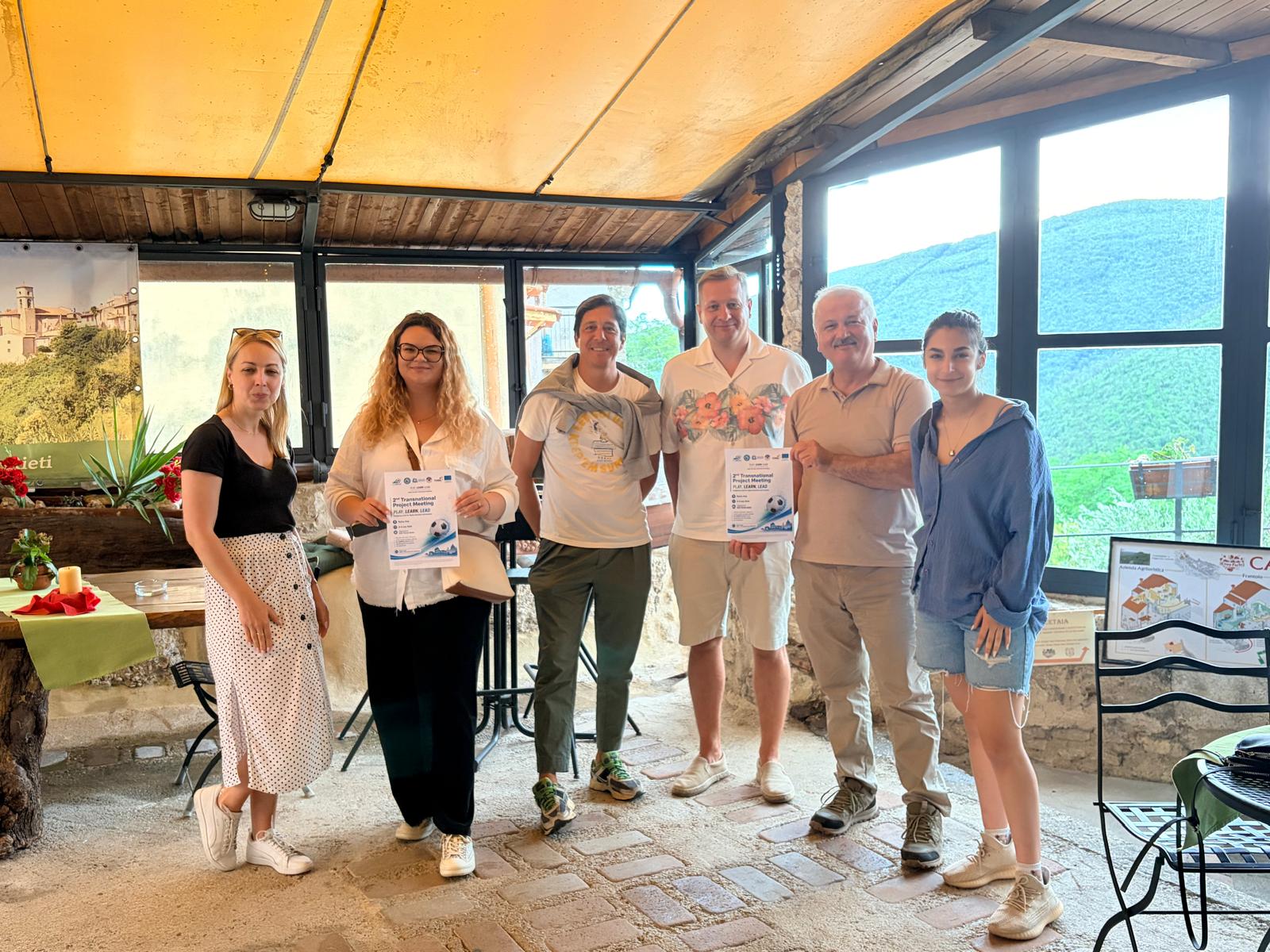
Two days, four countries and one shared vision. The 2nd Transnational Project Meeting brought the Play, Learn, Lead partners together to explore new ways of connecting football, education, digital innovation and local communities.
What can an olive mill in the Italian countryside teach us about digital education? And what does a football pitch in Rome have in common with a European classroom?
These questions might seem unusual, but they capture the spirit of the 2nd Transnational Project Meeting of Play, Learn, Lead, held in Italy on 2–3 July 2026 and hosted by project coordinator ASD Tirreno Sansa.
Representatives from Italy, Poland, Romania and Türkiye came together for two days of activities, discussions and shared experiences. The aim was to review the project’s progress, explore the findings of the initial needs analysis and turn the first ideas for CAMPO into a more concrete educational and digital learning model.
Learning beyond the classroom: discovering the Sabina region
The meeting began with a journey to Poggio San Lorenzo, a small village in the Sabina area, in the Province of Rieti.
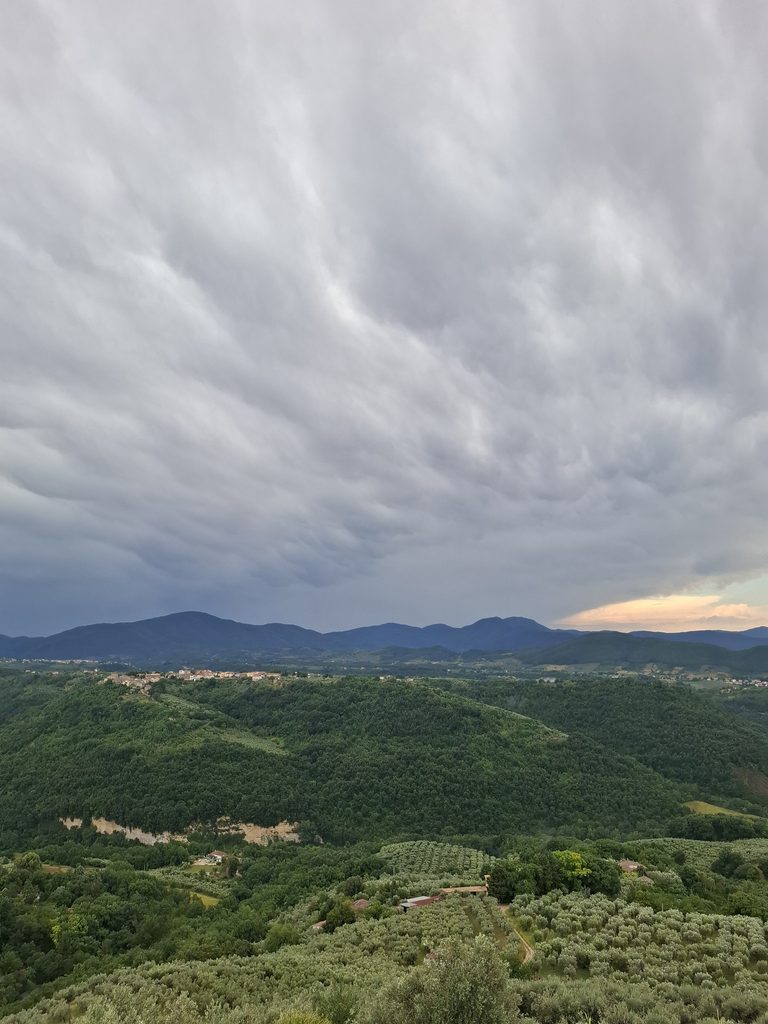
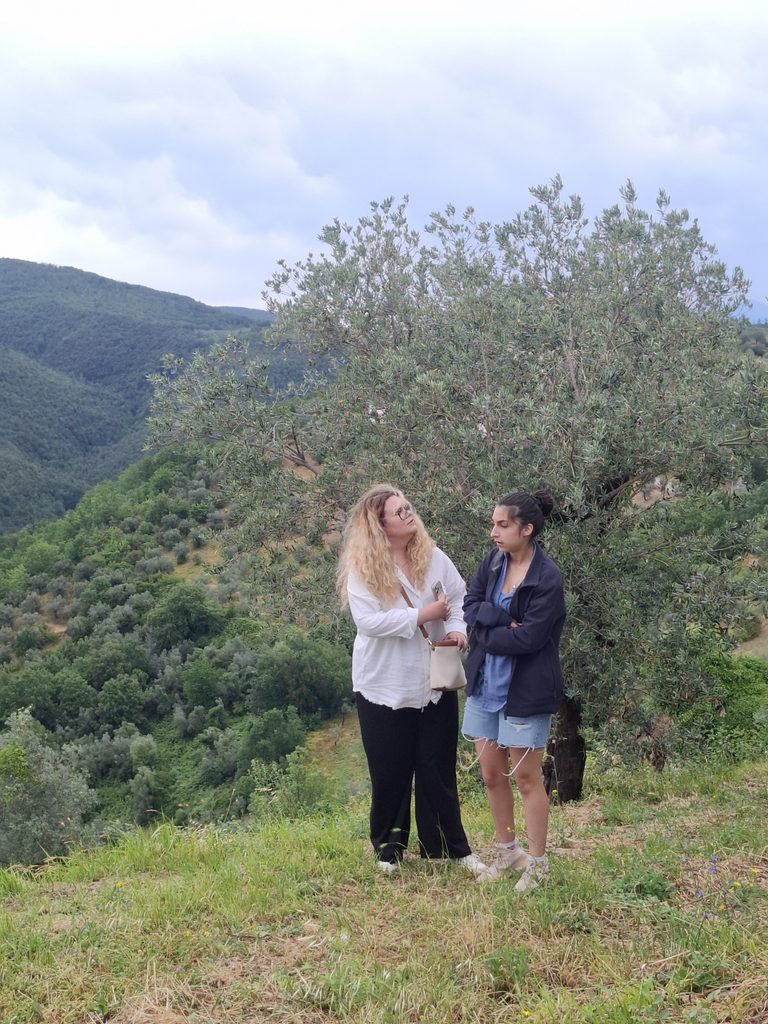
Surrounded by the landscape of the Lazio countryside, the partners explored local traditions and cultural heritage through a visit to an olive mill, a presentation of the history of olive cultivation and a visit to the village’s castle.
A workshop and informal exchanges offered opportunities to reflect on something central to Play, Learn, Lead: learning happens through direct experience, relationships and participation.
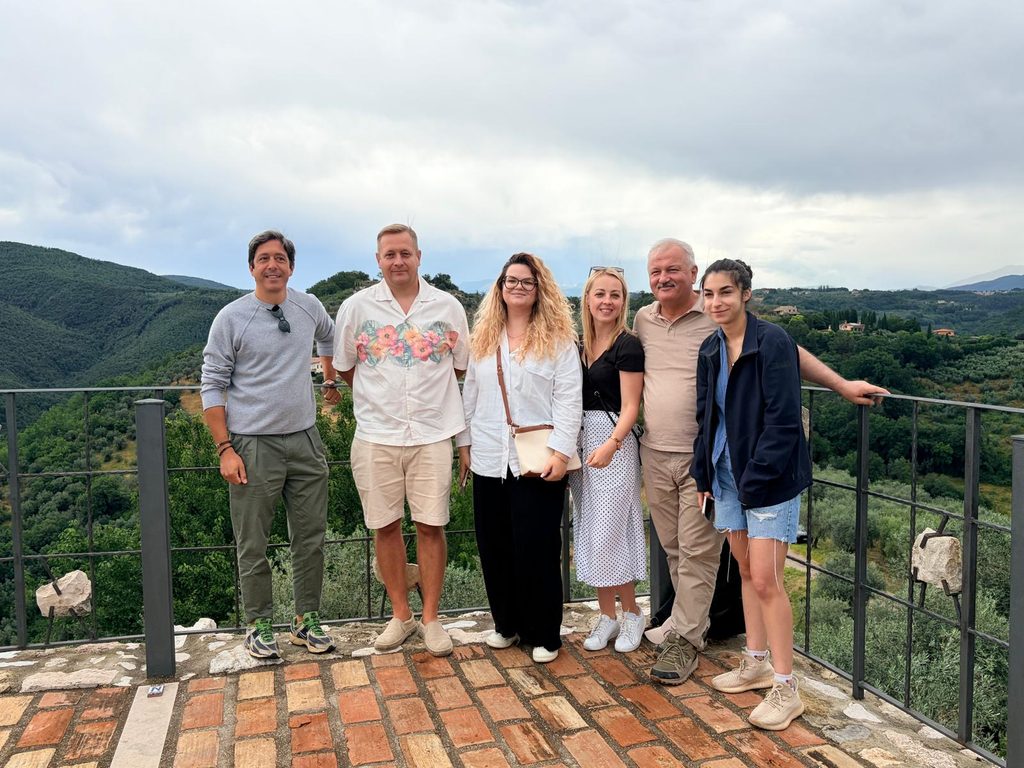
The visit sparked discussions about how local heritage, traditions, food and community life can become part of educational activities. Partners shared perspectives from their own countries, exploring how such experiences could help young people develop cooperation, communication, cultural awareness and a sense of belonging.
It was a practical illustration of the project’s Classroom 3.0 concept, which connects digital learning with real-life experiences, including those taking place beyond traditional classrooms.
Back on the pitch: shaping the future of CAMPO
On 3 July, the partners gathered at Campo Bruno Barbieri in Rome, one of ASD Tirreno Sansa’s main sporting and educational venues.
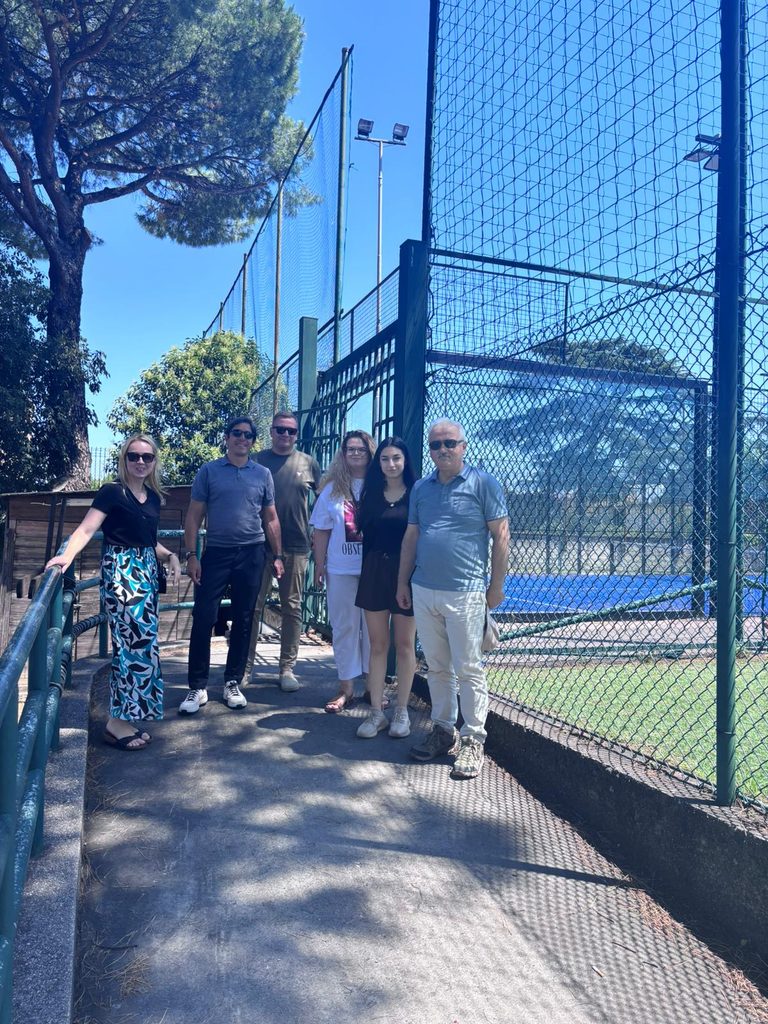
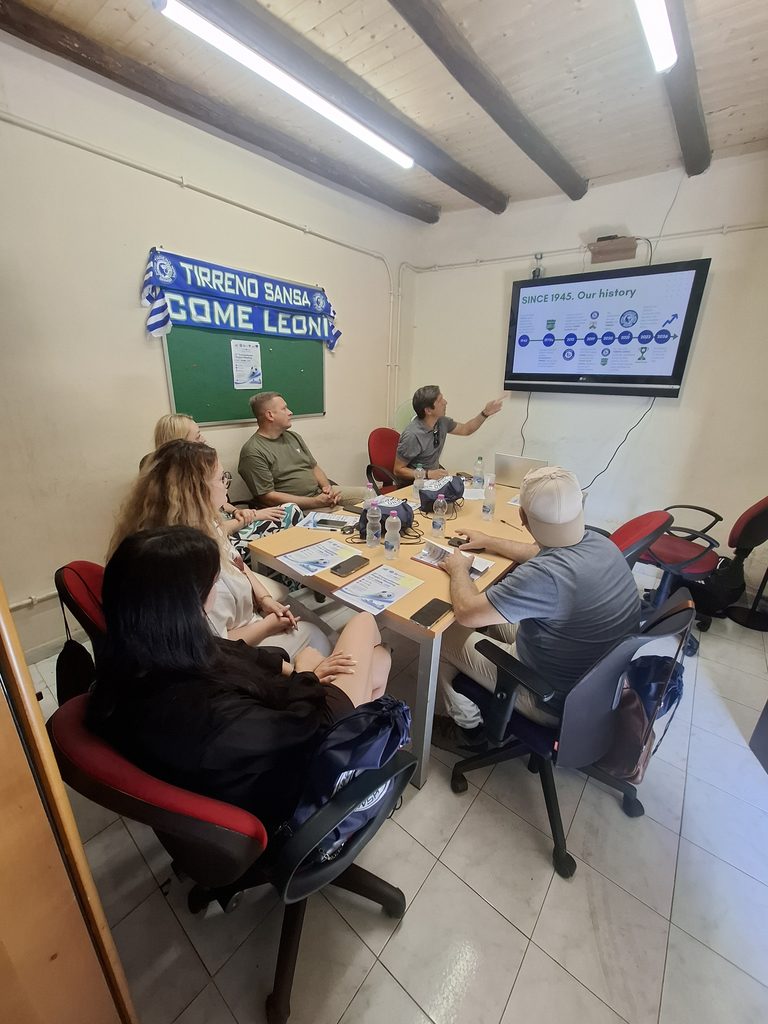
The visit offered an opportunity to discover the club’s activities with young athletes, families and the local community, and to see how football can provide a natural environment for developing respect, responsibility, teamwork and inclusion.
The working sessions then focused on the project’s next major milestone: CAMPO, the multilingual digital learning platform that will bring together educational modules, practical resources, the Digital Toolkit and the MOOC.
The discussion built on the surveys and workshops previously carried out with young athletes, teachers and coaches in the partner countries.
One message emerged clearly: young people want short, dynamic and interactive learning experiences linked to real sporting situations. Teachers and coaches, meanwhile, need accessible tools that can support their everyday educational work.
These findings helped guide the discussion towards a platform built around visual content, practical challenges, personalised learning, progress tracking and easy access from mobile devices.
From ideas to practical learning experiences
The partners also explored how to make CAMPO more engaging through a progressive learning pathway inspired by the dynamics of a game.
Among the ideas discussed were interactive quizzes, skill-based badges, team challenges and recognition of individual progress. Importantly, the proposed activities would value cooperation, fair play, inclusion and communication alongside sporting achievement.
Educational themes such as positive leadership, emotional resilience, teamwork, learning from mistakes and balancing sport with school were examined from different national perspectives.
The conversation also brought forward some interesting ideas about leadership. Being a good team member sometimes means taking responsibility and guiding others; at other times, it means listening, supporting someone else and recognising the value of different roles.
These reflections will contribute to the next development stages of the Digital Toolkit, practical learning activities and the MOOC.
Four countries, one shared direction
Beyond the working sessions, the meeting gave the partners the opportunity to strengthen their relationships, exchange experiences and understand one another’s educational and cultural contexts.
The feedback collected at the end of the meeting was unanimously positive, with participants awarding the highest rating across all the aspects assessed, from organisation and clarity to collaboration and usefulness.
The partnership also agreed on the next operational steps, including the completion of the WP2 needs-analysis work, the further development of CAMPO and the preparation of the educational resources planned under WP3.
The two days in Italy showed how European cooperation can bring together very different places and experiences around a common purpose.
From the traditions of a small Italian village to the everyday life of a football club, the message was the same: learning becomes more meaningful when people experience it, share it and turn it into action.
And that is exactly the journey Play, Learn, Lead is building, together.
Leave a Reply